If I were writing a traditional New Year’s letter — the greetings that few people send anymore, now that photo-filled Shutterfly and Snapfish cards have replaced the lengthy recountings of successes and celebrations — I would focus on what went well in 2025. Like a Facebook post, my letter would paint a colorful picture of the past 12 months that is exuberant but only partly true.
Because it wouldn’t describe what has been difficult. Or sad. What has made me feel old and out of touch. Where I’ve been wrong, or felt wronged, or made decisions that I regret. The letter would broadcast, even brag, rather than reflect.
As I write this, I’ve been home alone for two weeks over the Christmas holiday, mothering a tripod cat and two dogs who demand multiple walks a day. Outings with friends and a Christmas Eve gathering with my daughter-in-law’s extended family have been welcome distractions, but mostly I have kept my own company.
“I won’t feel happy all the time this holiday season,” a commentator wrote in a reflection about the 60th anniversary of “A Charlie Brown Christmas,” the timeless tale of an awkward boy who manages “to find hope” amid a season of mixed blessings. Author Abigail Rosenthal describes Charlie Brown as “anxious and depressed,” employing a lingo that today’s readers will understand. I find him to be honest and touchingly human, unafraid to acknowledge that this weighted holiday carries more expectations — whether religious or secular — than people can possibly achieve.
In that spirit, here’s what 2025 has really felt like for me. How it’s been, rather than what I want you to believe.
The first grandchild
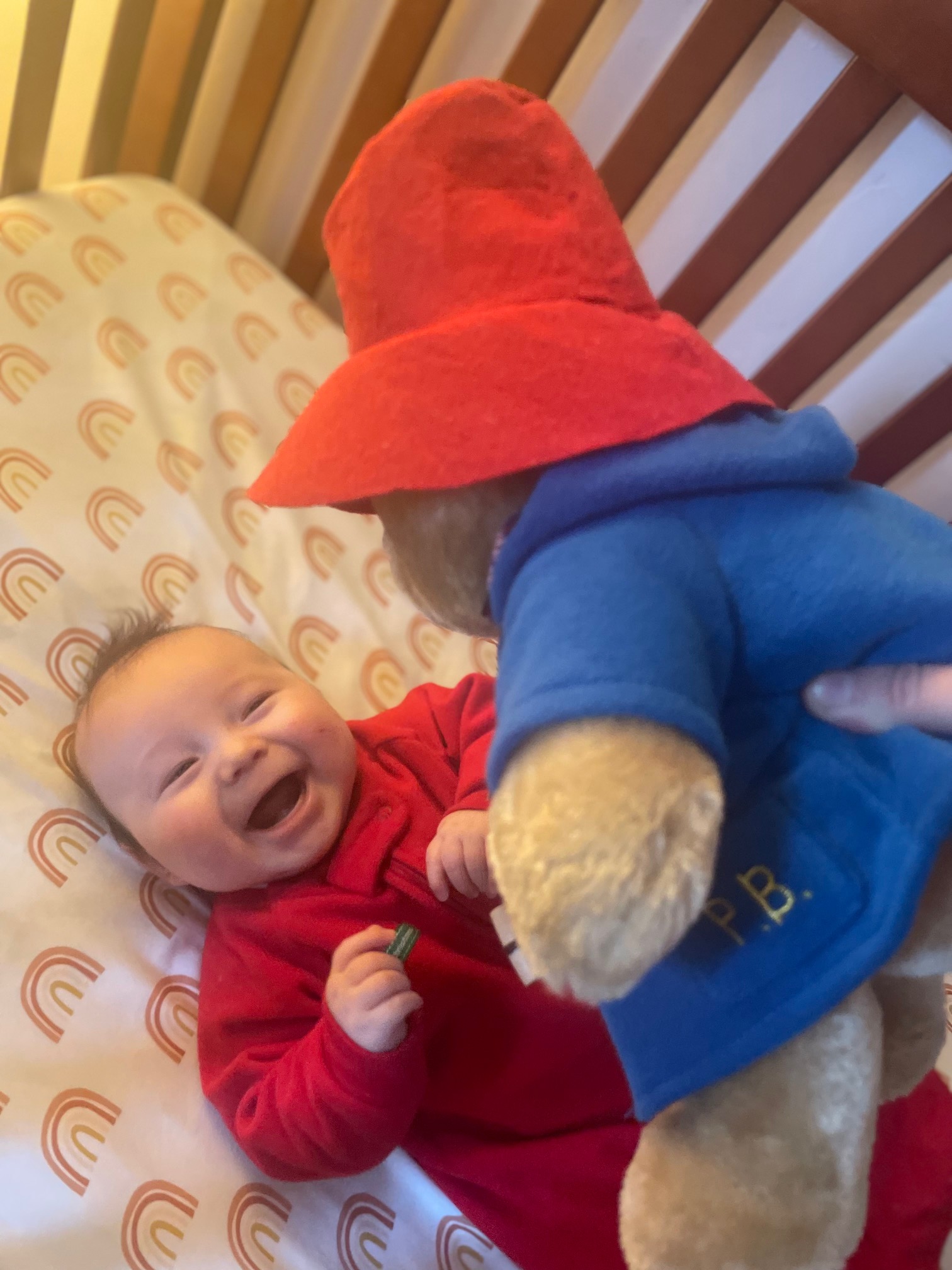
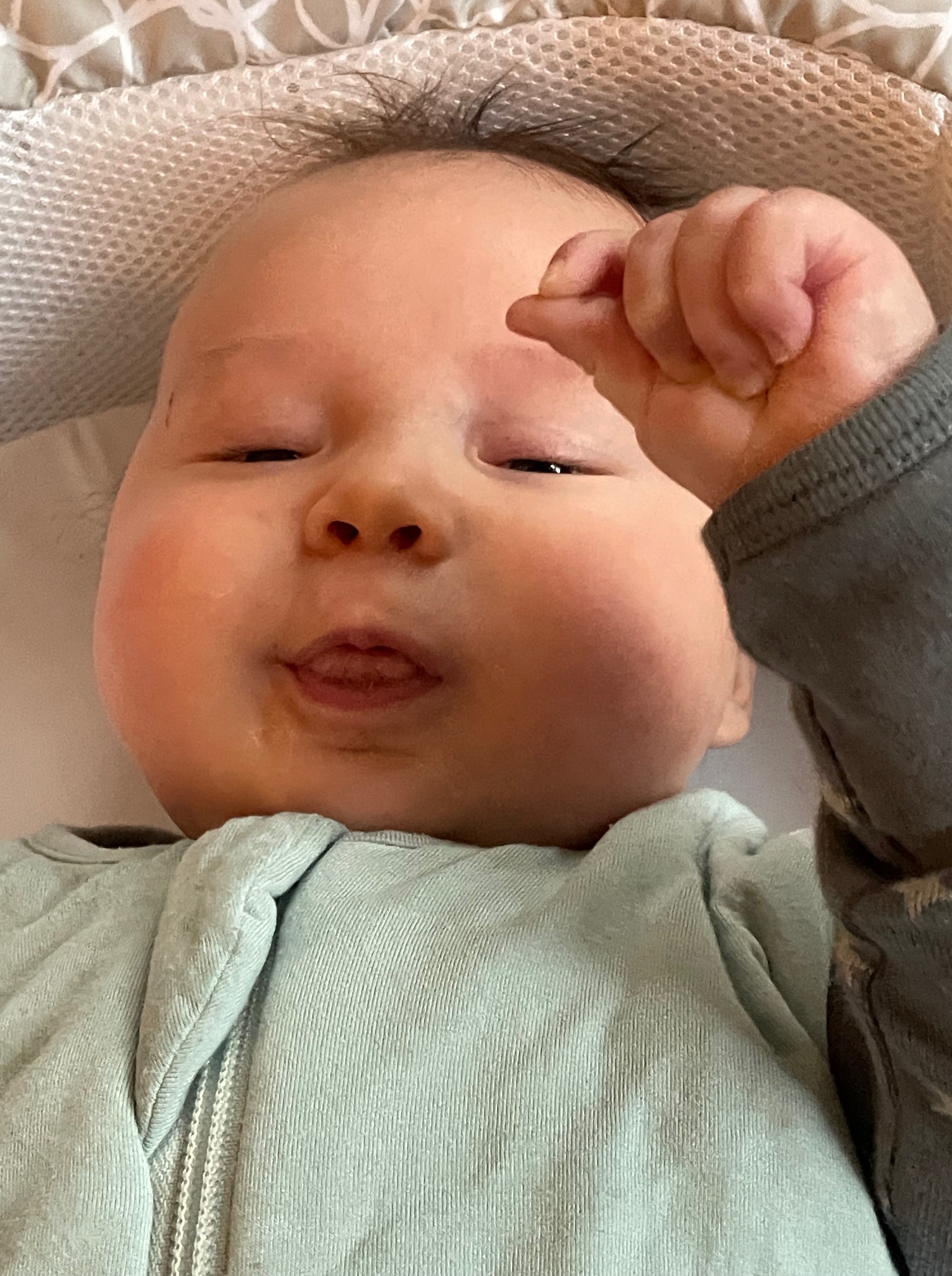
How could the birth of Arthur on July 22nd be anything but a blessing? My younger son is a proud and attentive father; the growing baby came nine days early, and was a full pound and a half smaller than his dad, making labor and delivery relatively smooth; and he is healthy, alert and well loved. We are lucky.
One of the first times I fed him, as Arthur was transitioning to a bottle, I thought of malnourished babies in Gaza. When I left my son’s house, exhausted, after a five-hour babysitting shift, I wondered how overwhelmed, under-resourced single parents manage. Reviewing the photos I take every time I see Arthur, I push away thoughts of all that could go wrong, recalling my sister’s warning when I was pregnant with my first son: Once you have a child, you are always vulnerable.
What you love, you can lose. As a grandmother, in a role consistently described as relaxed and carefree (“you get to send the kids home!”), I didn’t anticipate feeling so unsure of myself, so afraid.
Heeding advice from my peers who became grandparents at a younger age, I have sought to be a helpful, loving presence. But transitioning from Mom to Grandma hasn’t come easily or naturally — I hadn’t held a baby in 30 years — and I’ve had to learn when to bide my time and bite my tongue.
“Do the dishes,” one young mother advised my older son as he prepared for his first visit with his nephew.
A traditional New Year’s letter would extol only the joys of being a grandma, and there are many. But it wouldn’t describe the generational tensions between how we Baby Boomers, the original helicopter parents, raised our kids and what our Millennial offspring expect today:
- My son insisted that any relative who wanted to be responsible for Arthur’s care enroll in a grandparenting class at Amma Parenting, a women-owned center in an upscale suburb of Minneapolis where he and his partner had taken a daylong parenting class.
- Given that my sons were circumcised right after birth, which my father recommended, I had to learn the particulars of cleaning an uncircumcised baby boy — and hide my dismay when my son described the procedure as genital mutilation.
- I’ve abandoned the multicolored, gender-neutral baby blanket I was knitting because babies no longer sleep with blankets. Who knew? Recounting to my son how we tucked him in with a “blanky” and stuffed animals, I was startled by his abrupt response: “Arthur could suffocate.” Today’s babies wear a sleep sack and lie in a barren crib to prevent SIDS, the sudden infant death syndrome that took my husband’s second oldest brother.
What sometimes feels like zealous and unnecessary instruction — how to hold the baby, clean his bottles, push his stroller on a bumpy sidewalk — actually ensures that his parents will entrust me with Arthur’s care. In moments of insecurity, I wonder whether my son found me inadequate as a mother. Or has parenting just progressed and changed?
The only truth that matters is this: If I want a loving, respectful relationship with my grandson, I must set aside my ego and adapt. Healthy aging requires a willingness to learn from our grown children — as well as from our past mistakes.
A period of adjustment
My retirement in September and a deeper dive into volunteering are the other big news for my New Year’s greeting. As with the birth of my grandson, many hearty congratulations have come my way.
But for what? I enjoyed my career. I found purpose in work. It lifted me out of a difficult period in my 20s when I was floundering and making risky, unhealthy choices. And, combined with my husband’s astute investing, the income got both of our sons through college and allowed us to help with down payments on their homes.
Now, as a healthy (so far) retiree of comfortable means, I am supposed to build a life of leisure, which runs contrary to my nature. Friends urge me to travel and read more books; and though I am doing more of each — including a first-time trip to London last April — I am noticing a cautiousness that has stifled me throughout adulthood, a tendency to default to the familiar.
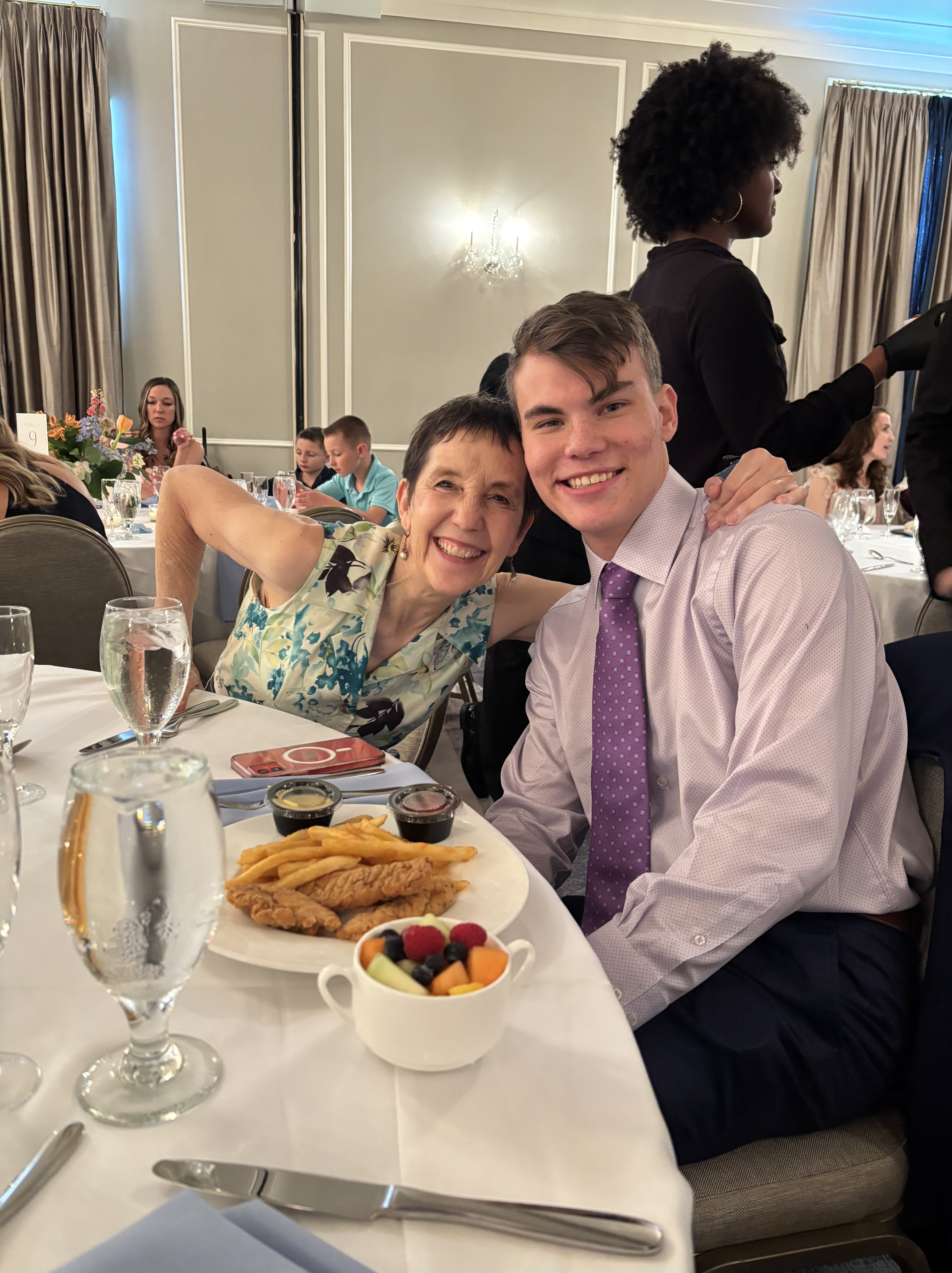
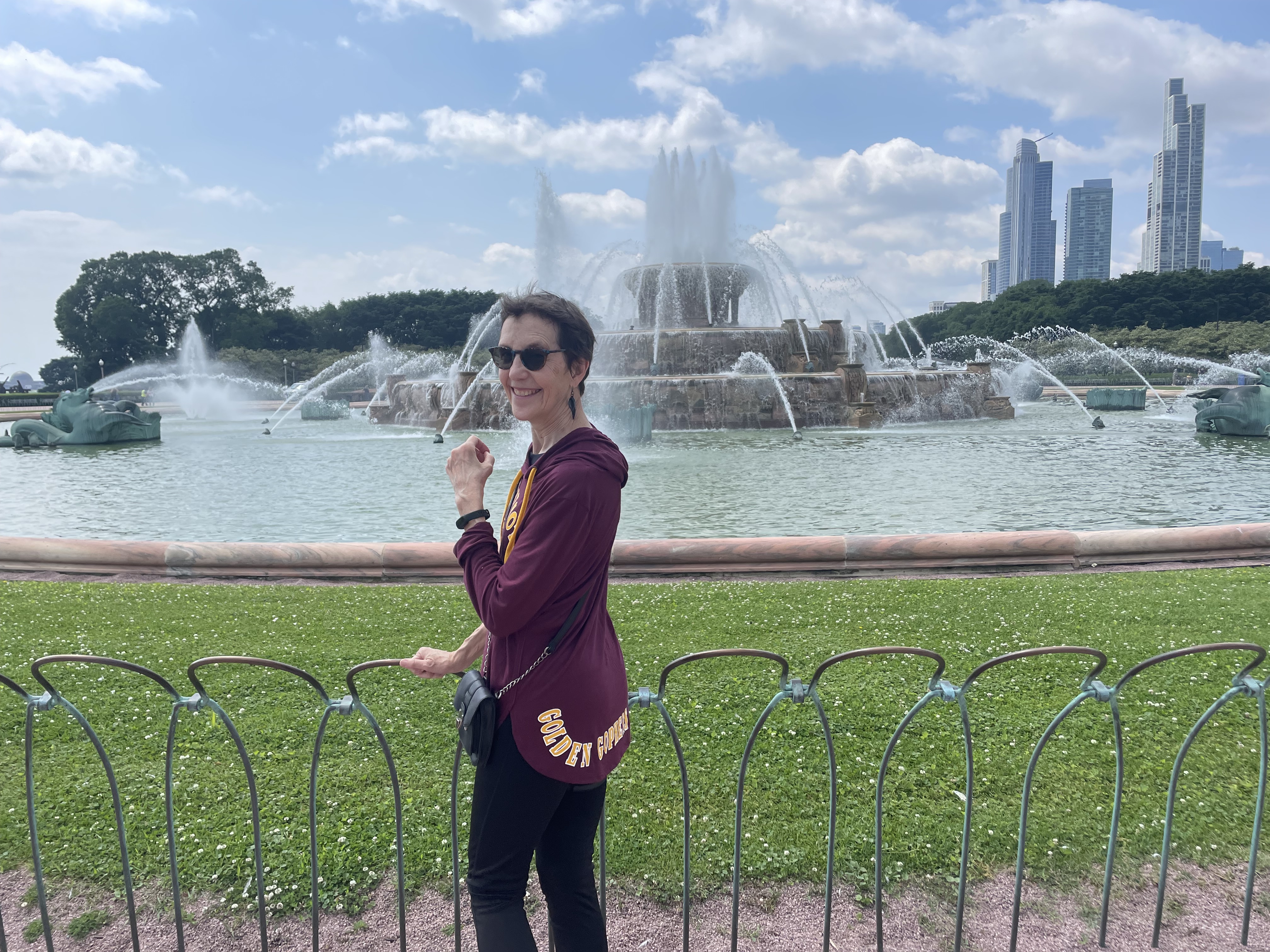
A leisurely ride on Amtrak to visit friends in Chicago and a stop in North Carolina last spring for my niece’s wedding enroute to see my older son in London were enjoyable, relationship-building experiences. But they didn’t stretch me. I didn’t challenge myself to take a solo train trip, which I promised myself I’d do after retirement. I didn’t immerse myself in a different culture or venture on a Civil Rights tour of the south, which long has intrigued me.
Even the warm-weather bike rides that I have loved for decades were on familiar pathways this past year. I never found time to haul my hybrid or road bike to trails and small towns throughout Minnesota, chatting with the locals along the way.
As for reading, it’s way past time to set aside the white women’s fiction that I enjoy and toe-dip into stories that will take me to new places, written by people whose backgrounds and perspectives differ from my own. Here again, I am learning from my younger son, who reads books only by authors from other cultures or with identities he doesn’t share as a middle-class, cisgender white male.
Reading widely means moving beyond your usual comfort zone to understand different human experiences and ideas.
I thought retirement, given enough resources, would help me feel safe and secure. But challenge and ambition are what I always sought at work. Four months into freeing myself from paid employment, I recognize that the price of less stressful living can be sameness and stagnation — especially at an age when society wants to warehouse seniors into dorm-like housing, walling them off from a community that could enrich elders’ lives and, in turn, benefit from their experience.
Not for me. Not yet. I am determined to live larger in 2026. How’s that for a New Year’s resolution?


 The Middle Stages: Between Midlife and Old Age