
How would your life change if driving wasn’t an option?
That is the question posed by Week Without Driving, an annual campaign — running the first week of October in 2026 — that aims to help those of us who do own a car interrogate our transportation habits. And learn to practice new ones.
Launched in 2021 as a Disability Movement Initiative, #WeekWithoutDriving encourages registered participants to put themselves in the shoes of people who can’t afford a vehicle, who have aged out of driving, who don’t qualify for a driver’s license or who are physically unable to drive.
“For people who can grab their keys and go, transportation often isn’t a major concern,” says the Week Without Driving homepage. “But for those of us who can’t drive or can’t afford to, transportation is something we think about daily.”
As the owner of a plug-in Prius and an active transportation advocate who aims to drive as little as possible, I decided to design my own Week Without Driving ahead of the actual event. I tracked my progress — and my setbacks — along with a few learnings that I hope will help others navigate the challenge.
Week Without Driving challenges you to rely on riding the bus, walking, biking/scooting or asking for rides to understand what it takes to get where you need to go without driving.
Prepare for a series of decisions.
In hindsight, I was smart to start my self-imposed Week Without Driving on a Sunday — when traffic is lighter and the world moves more slowly, when I could savor moving outdoors in the 70-degree sunshine.
I was scheduled to meet a friend for an outdoor brunch at W.A. Frost, long considered to have the best patio dining in St. Paul. Since I was headed that way, why not pick up a few groceries at my favorite food co-op? Both are on a Bus Rapid Transit line that stops three blocks from my house.
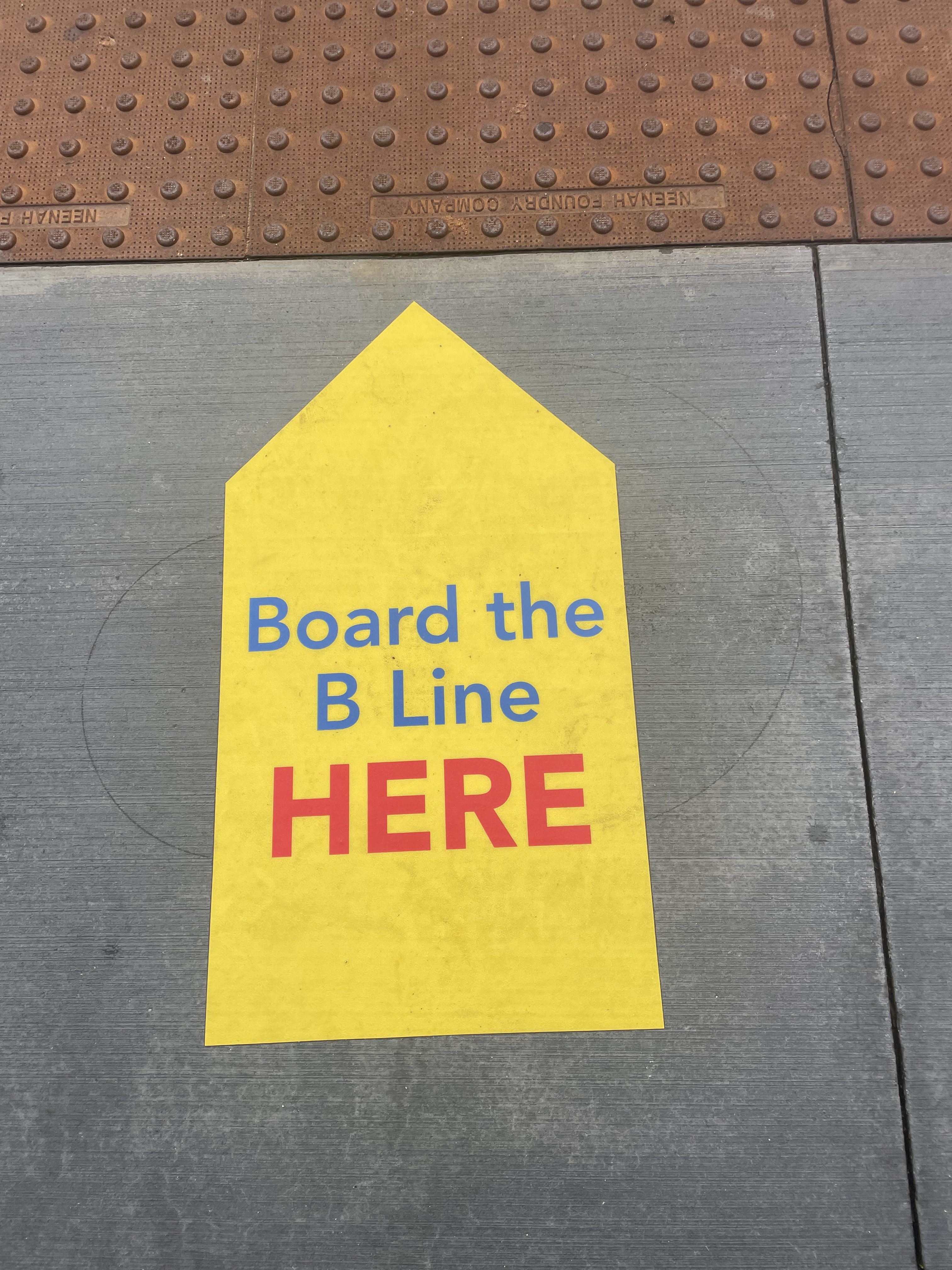
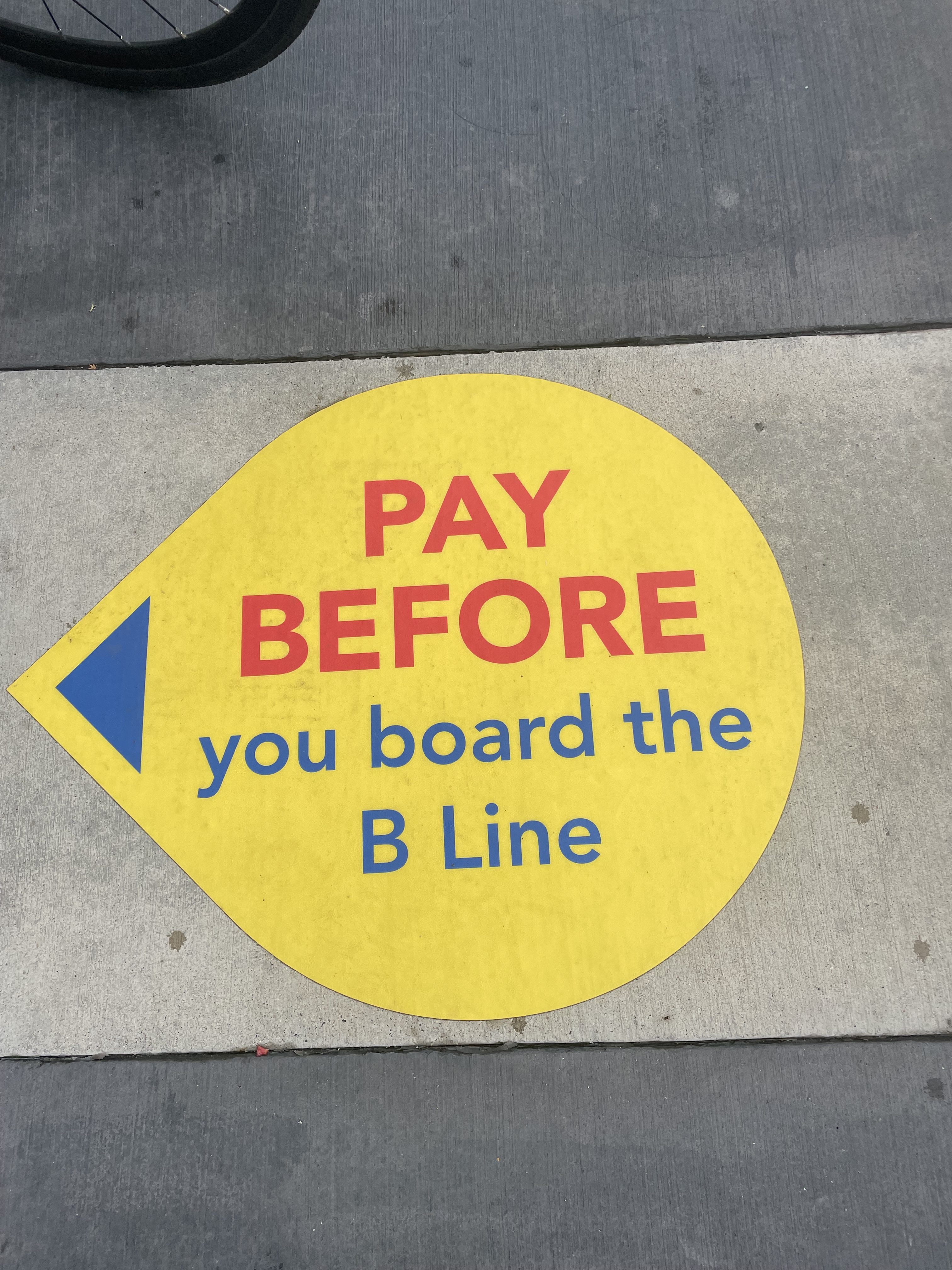
And so began my planning for the first day of not driving:
- I consulted the bus schedule the night before and put the options in my iPhone calendar.
- I dressed carefully, ensuring that I wore shoes I could move in, but not too casually given the potential formality of a Sunday brunch.
- And I skipped an 8 a.m. yoga class because I would have had to drive there after spending 45 minutes walking my two dogs. I opted instead to work in the kitchen and do my own hip-stretching routine at home.
None of it was hard to do — in fact, choosing to walk the 8 blocks between the restaurant and food co-op energized me after the leisurely meal — but active transportation did require more time and initiative than simply hopping in my car.
Would my willingness hold for the next six days of Week Without Driving? Truth be told, it didn’t. Walking that much (24,000 steps on my first day) eventually wore me down, and both transit and biking proved harder to manage on a couple of busy weekdays.
“Some short car trips are necessary; for example, health and mobility issues might limit our ability to walk. Other times, driving is convenient,” says the Environmental Protection Agency.
Aim to both inspire and inform.
People who refuse to take mass transit — or to walk or bike on at least some of their errands and activities — generally have little experience with active transportation.
Day 2 of my self-imposed Week Without Driving was rainy and chilly, and I probably would have driven had I been less committed to this challenge. Instead, I donned my raincoat and Oboz hiking shoes (the best) and walked to a neighborhood coffee shop to meet a fellow Planned Parenthood volunteer.
After I told him that I had to catch a bus in 70 minutes for another commitment — information that I like to share at the top of a meeting, so as not to appear rude when I have to bolt away — he said he rarely uses the city bus line a block from his house. He drove to this meeting a walkable distance from where he lives. He and his family even drove to the Minnesota State Fair last summer and paid 40 bucks to park on someone’s lawn because they didn’t want to wait in line for the event’s free bus network.
Later that afternoon, my banker expressed surprise that I had walked to our meeting during a heavy rainstorm. He told me he had driven to work rather than walk less than a mile because his legs were tired from refereeing his children’s soccer games the day before.
At age 69, I get it. I also understand that personal actions alone won’t solve the climate crisis. But first, can we agree that Americans’ obsession with driving is an unhealthy practice, both for our bodies and our environment?
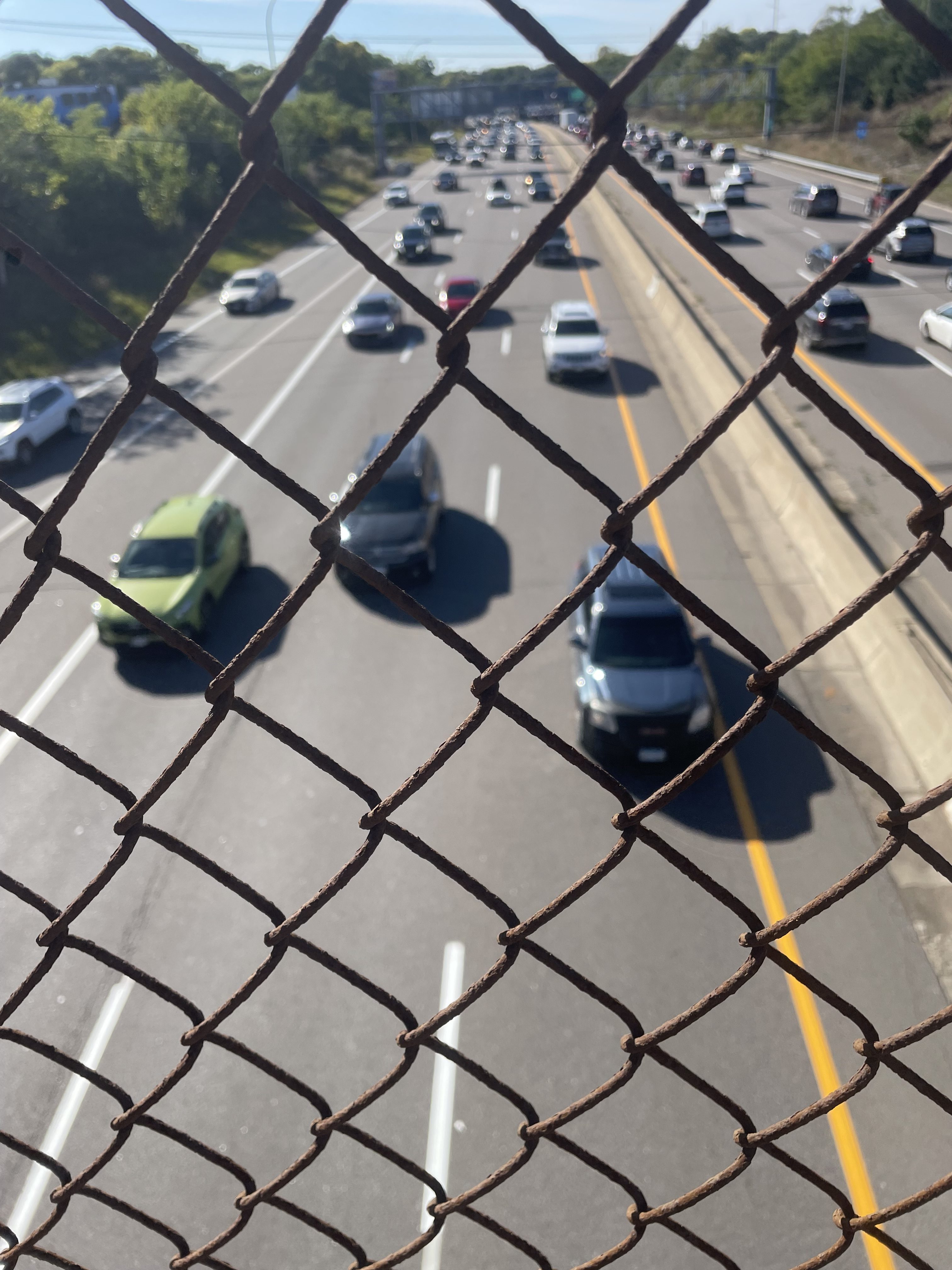
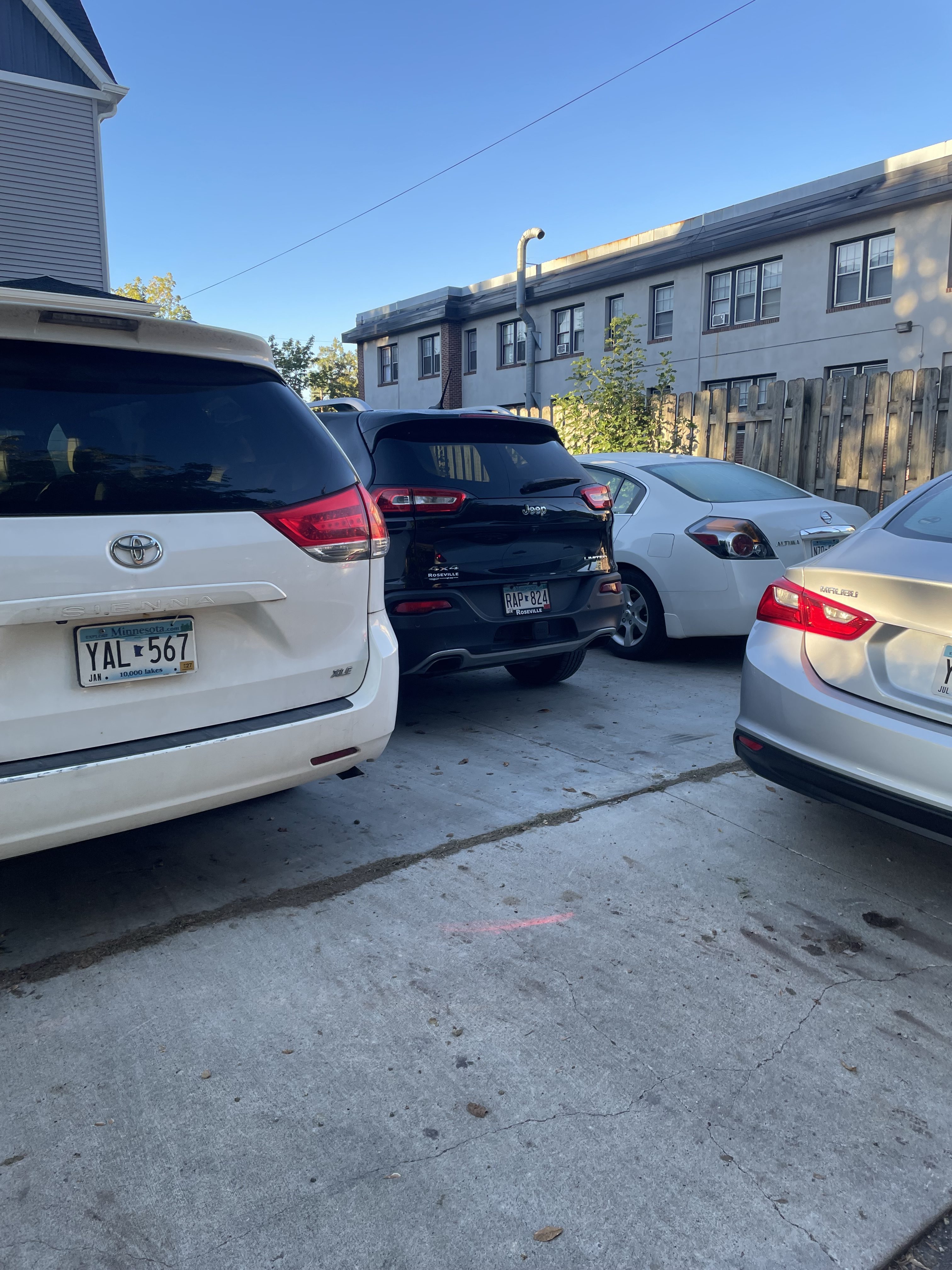
Consider:
- The Environmental Protection Agency, even in the anti-climate Trump administration, encourages biking or walking to activities under a mile away. “Car trips of under a mile add up to about 10 billion miles per year,” the EPA says.
- St. Paul’s Climate Action and Resilience Plan calls for 40% of all trips within the city to be taken by bus, bike or transit by 2030. That’s only four years away.
- A 2025 study from the World Resources Institute says that “living car-free,” making a commitment to “walk, bike or take transit more,” and carpooling or bundling your errands into one trip when you do have to drive rank among the top 10 ways that individuals can make climate-friendly choices.
I mentioned none of this to the banker: Virtue signaling and shaming don’t motivate anyone to change. But maybe by cheerfully shrugging off a rainy walk, or explaining the convenience of Metro Transit’s BRT system to the Planned Parenthood volunteer when he inquired, I inspired them to rethink their choices.
“Transportation is often discussed as a service gap, but it is also a dignity issue. Mobility is not merely getting from point A to point B. It is the freedom to remain part of the world,” says age-friendly advocate Dave Beal.
Allow exceptions and grant yourself grace.
By 5 p.m. on the second day of my self-imposed Week Without Driving, I have 22,685 steps, and I’m done. I cancel my plans to hear “James” author Percival Everett at the University of St. Thomas that evening — it’s chilly and damp out, and it would have meant walking another couple of miles to and from campus — and instead settle in for the evening.
That highlights another reality of car-free living: You can’t overschedule your time, a habit that I find more difficult to manage as I age.
The next day, my husband and I ran errands in the Prius because I couldn’t persuade him to bike or take the bus. Excuses come easily when driving is more convenient. Still, Week Without Driving “is not a purity test,” a friend at the Bicycle Alliance of Minnesota reminds me; in fact, the initiative’s guidelines assure participants that they didn’t “fail the challenge” if they set foot in a car.
Three factors make active transportation possible for me:
- I am strong and healthy, thanks to a lifetime of health insurance coverage and parents who encouraged physical fitness, helping me develop a love of movement.
- I live in an urban neighborhood conducive to not driving. Four bus lines and one light-rail train are within reasonable walking distance of my home, and the bicycle infrastructure slowly is improving.
- I have the means to afford two bikes, various exercise shoes, a gym membership and strength-training equipment in my basement.
Not everyone enjoys all those advantages. Week Without Driving seeks to remind privileged people — those who have reliable transportation options and the physical means to move — what life is like for people who, for a variety of reasons, cannot drive.
The initiative asks us to advocate for systems change that will improve mobility, which the Mobility Lab, a research center in Arlington, Virginia, defines as having the time to get where you need to go, the ability to afford those transportation options and the safety to walk, bike or take transit.
“Living by a bus that comes once an hour isn’t mobility,” the Mobility Lab says, which is one reason why so many suburbanites drive everywhere. “Owning a car in a city with congested highways isn’t mobility either. To have mobility is to have access.”
Food for thought as we all prepare to vote this election season. Mobility, like other forms of equity, won’t just happen unless we work for it.

