
At a time of life when my income is increasingly limited, with a set monthly amount from Social Security, a small pension from my years as a newspaper journalist and whatever I can scratch up from contract work, everyone is pitching me to spend money on stuff I neither want nor need.
The neighborhood newspaper I subscribe to invariably has advertising inserts for pricey senior living buildings that deliver less than what they promise, if my late mother’s experience is any example. The spam calls from people wanting to sell me burial insurance have morphed from being a joke (talk about feeling old!) to merely an annoyance, especially after I’ve told the caller that I plan to be cremated.
But the most egregious examples of unwanted sales pitches are the omnipresent ads in my personal Gmail account. Every time I check email, which is multiple times a day from my iPhone, at least two new “sponsored” emails pop up, many advertising products or experiences I have never purchased or even searched for online.
Recent examples include:
- An ad for a women’s “three-wheel e-bike” by a manufacturer that clearly views the word “tricycle” as a turnoff, though that’s what it is;
- A promise of “$5,000 off any trip” from Overseas Adventure Travel, which specializes in expensive luxury group tours, including for solo (read: widowed and well-heeled) travelers;
- Ads for Eileen Fisher’s “responsibly made” tops that offer “the right mix of comfort and style” — flattering, just-below-the-waist designs meant to hide the thicker midsections women develop after menopause; and
- Skechers slip-in shoes, all flats, with catchy names like “Classy Cruiser” and “Reggae Slim.” This may be the most practical example of all, given that no woman I know in her 60s wears high heels for any but the most special occasion, and even then, she likely packs her walking shoes in a discreet cloth bag.
Despite living in an Amazon-influenced era, I don’t like to shop online. Plus, I’ve grown increasingly impatient with advertising now that I record the TV shows and women’s basketball games I want to watch precisely so I can zip through the commercials — a shocking number of which are for prescriptions with a litany of scary or smelly side effects.
But that’s not the problem. What disturbs me is advertisers’ assumptions about seniors, which rarely line up with the realities and reflections of my post-career life. Or with the passions, politically fueled anxieties and inevitable physical afflictions that dominate conversations with my friends.
“The public’s perception of aging is . . . antithetical to how most older people feel and what experts in the field know to be true.”
National Center to Reframe Aging
Not all of us want to travel abroad, pamper our pets, fix up our homes (we’re lucky if they’re paid for) or attend cultural events that occur downtown at night. Yet that is what the sponsored ads in my Gmail account push: new windows, cheaper internet, a dinner theater 23 miles away, a Tai Chi walking program that looks laughably slow for a fitness walker who moves 18,000 steps a day.
What I want from Gmail is no ads at all. I’m no one’s target market anymore. Or at least push the products and places I care about: good face cream, artsy earrings and glasses frames, locally owned bookstores and bike shops. By this age, I know what I want and need.
I understand, sort of, how algorithms work. That an ad not just for L.L. Bean but for their fleece-lined bedroom slippers and winter-walking Stabilicers will show up as banner ads on other websites after I’ve scrolled the Bean site for just those items.
So, yes, I get it that many of the sponsored ads in my personal Gmail — which, oddly, never show up in my work-related account — relate to some web search or another. I don’t want an e-trike (at least not yet), but I do read “Bicycling” magazine online. Maybe the ad for shapeless shirt dresses from Maye, a company I’ve never heard of, is there because the algorithm knows I’m 68, an age at which many women have developed enough self-confidence and common sense to prioritize comfort over body-hugging fashion.
Or am I giving the faceless algorithm too much credit?
A recent article titled “Marketing to Seniors,” which promised “transformative insights” into reaching my digital-wary demographic, manages to be both heartwarming and offensive — not unlike the senior-focused ads I see.
- On the upside: The urge toward “straightforward language” and “offering customer support through phone calls rather than automated messages” strikes me as practical and respectful. Whatever our level of digital savvy, or lack thereof, we Baby Boomers are comfortable and conversant with a telephone.
- On the downside: The article’s call to feature photos of people “5 to 10 years younger than your target demographic” because “it’s how folks tend to see themselves” may be accurate, I’m sorry to say, but it also is blatantly ageist and emotionally cruel.
Employing younger people to sell products and services to seniors plays on the insecurities and fears of older women, in particular, who for decades have been barraged with the fiction that only youth can be attractive.
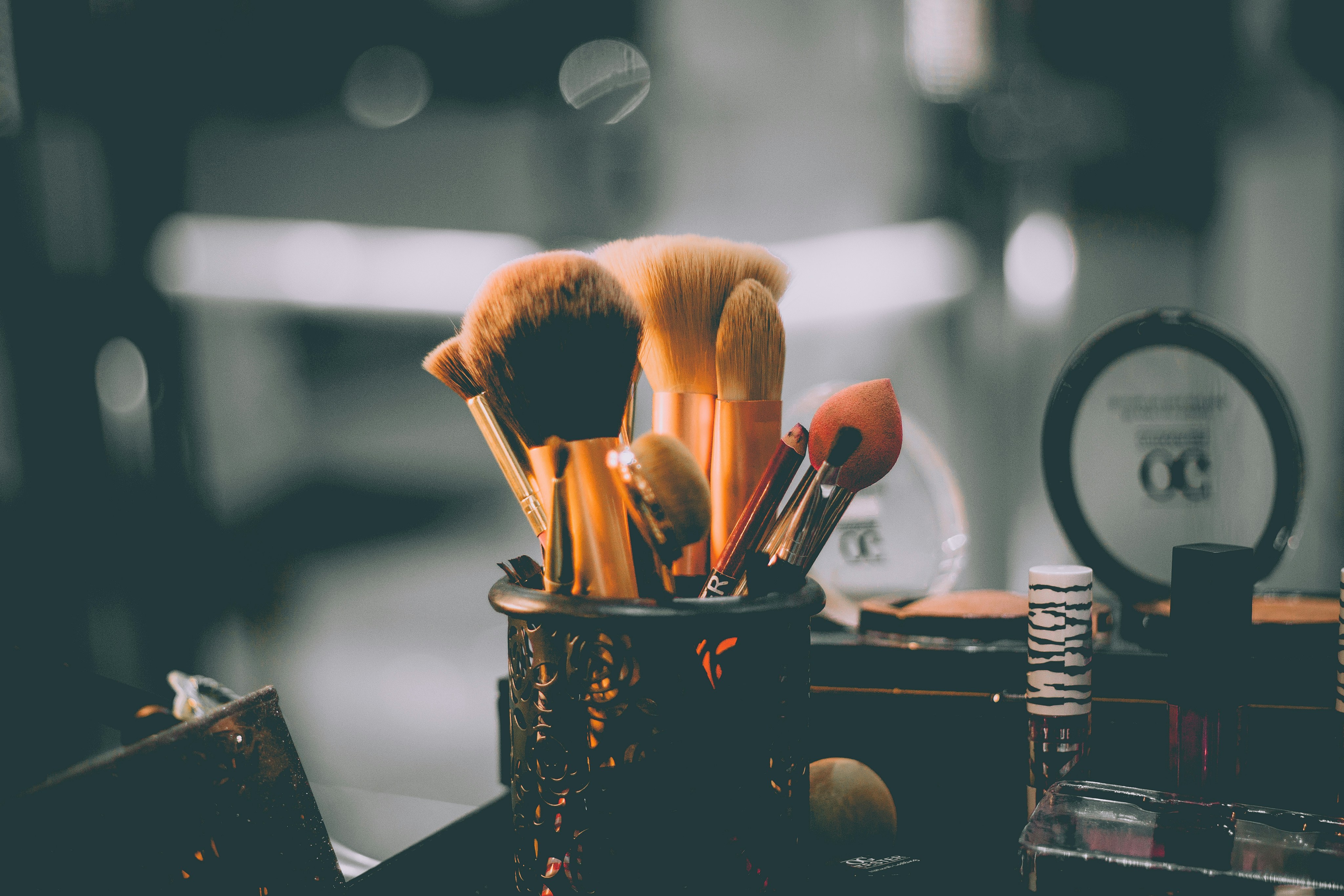
In the United States alone, the beauty industry is expected to garner $106 billion (yes, B for billion) in 2026. And now the folks who are marketing senior housing, flowing clothing and expensive foreign trips are instructed by advertising experts to employ models whose only sign of authentic aging is coiffed white hair.
I’d like people my age — women, especially — to fight ageism by boycotting products that imply growing old is a shameful condition to be hidden and denied. Older Americans Month in May urges us “to recognize the contributions of older adults” and “to raise awareness concerning elder abuse and neglect.” Let’s also grant older people the dignity of portraying us as we are, even if the advertising art directors think their necks will never wrinkle, their eyebrows won’t thin and their thighs will forever remain smooth.
Shopping can stimulate cognitive processes, provide physical benefits, and function as a leisure pursuit that promotes social engagement.
Comfort Keepers, “Benefits of Shopping for Older Adults“
It isn’t that I dislike spending money. I’m as susceptible as anyone to the dopamine fix of treating myself to things and experiences, whether new walking shoes or a weekend getaway. But as I grow older, I am both more philanthropic — if by “philanthropy” you also count generosity with your grown children — and more intentional about where I invest my finite resources.
Age has shifted my priorities and patterns.
- I support my favorite players in the Twin Cities’ dynamic arts scene, local media organizations, and our Big 10 and professional women’s basketball teams.
- I lean toward statewide chapters of environmental and animal rescue operations, a plausible excuse to turn away telemarketers.
- Facebook Marketplace has become my ally as I purge myself of the possessions I’ve accumulated over the years or search out good-quality, inexpensive baby gear — a Thule jogging stroller, a Graco highchair — for my grandson.
I enjoy shopping, especially for groceries, and try to support the shops and restaurants in my neighborhood, especially after seeing several go dark during COVID. Recently I learned that elderly folks (not quite where I am yet) benefit from in-person shopping because it gets them outside, keeps them moving, prods them to make decisions and handle money, and forces interactions with others younger than themselves.
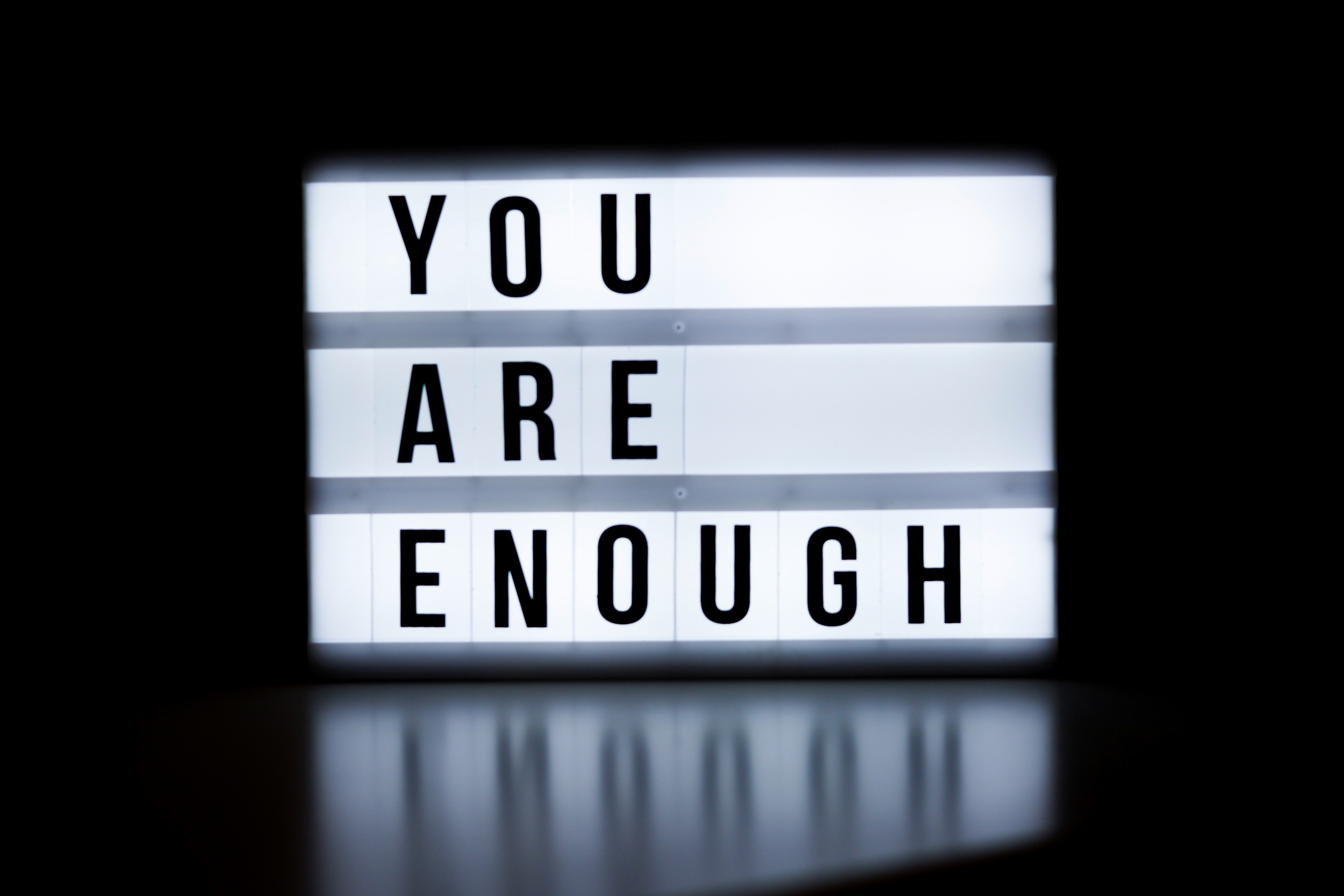
Less need or desire for stuff, an aversion to online shopping and a commitment to supporting my own community all make me a poor target for the products that companies are pitching me online. Except maybe this one: The You Are Enough Co. spammed me with an ad recently for “Dear Person” T-shirts and sweatshirts.
Curious about the concept, I clicked through and learned that You Are Enough aims to boost and normalize mental health awareness through clothing that proclaims to onlookers: “The world needs you” and “You are great.”
I may buy one and gift it to an older woman who needs a reminder that, no matter how much society tries to convince her to hide her age, she is fine just as she is. She’s earned her wear and wrinkles.
Then again, maybe I’ll keep that T-shirt for myself.
 The Middle Stages: Between Midlife and Old Age