
“I’ve learned how to say ‘no.’”
“I no longer spend time with people who drain my energy or don’t interest me.”
“I’ve quit over-filling my calendar.”
“I am trying to focus on what matters in the time I have left.”
Declarations like these are common among young-old women like me, who built careers in an era with few social supports, who have raised children or seen their parents to their graves, who once viewed multi-tasking as a virtue and wore their stress on their sleeves. Women who led purposeful lives for decades.

Now, many of us achievers in our 60s are seeking how best to spend our golden years — how to make a difference and live a life of meaning while our health still holds. For me, that means becoming more discerning about where I choose to volunteer and when to stand up for my point of view.
Since retiring, finally, in September, I’ve been digging deeper into the causes I already support — reproductive rights and food insecurity — and investigating where else I want to spend my time. That has brought me up against a different sort of challenge: Where to turn and what to say when my views run counter to the ethics of my chosen community and the causes and political leaders I support. Where can I safely speak my truth?
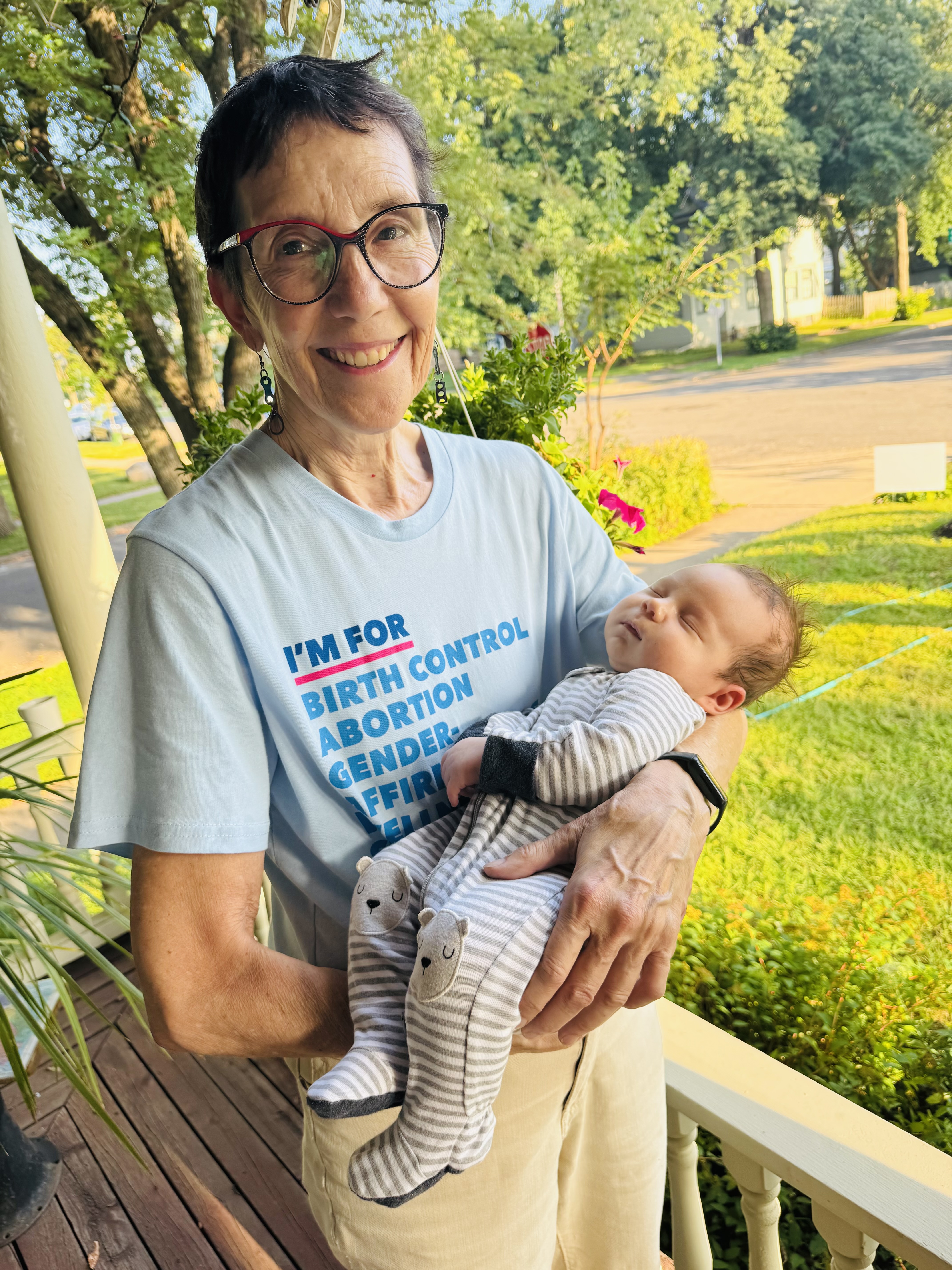
Case in point: I was delighted to volunteer for Planned Parenthood North Central States’ first booth at the Minnesota State Fair on Labor Day earlier this year. But I was mortified when I picked up my light-blue T-shirt in advance and saw the list down the front of what the organization — and supposedly the wearer — stands for. “I’m for birth control, sex education and gender-affirming care” all ring true for me. I can wear that across my chest in public.
But “I’m for abortion”? No, I don’t promote it. What I have marched, volunteered and donated money for since the days when we thought Roe v. Wade would never fall is the protection and expansion of abortion rights. That’s the language I wanted on the T-shirt. When I proposed that to the young staff member in charge of our booth, she said the movement wants to remove any stigma or sense of shame from the practice of abortion. I see her point, but I also saw the quickly averted glances while I walked around the fairgrounds. And Planned Parenthood needs supporters these days, not skeptics.
More significant than what others thought of me is how the T-shirt made me feel. I wore it home, forgot to change and let my husband take a photo of me holding our infant grandson beneath the words “I’m for abortion.” After that, I just gave the shirt away.

An agnostic seeking answers
Binary thinking dominates our yes-or-no, right-or-wrong, polarized society. Am I willing to lurk in the shadows between the black and white, or can I dare to lead a life in living color? By speaking up about my nuanced views on, say, trans women in sports — or countering a local activist whom I believe is unfairly maligning a mayoral candidate in our upcoming election — might I be banished from my tribe, the network of colleagues and left-leaning friends that I have cultivated since my 20s?
I am trying to find the line between honesty and provocation, between truth telling and egocentric mansplaining (yes, women do it, too). Recently, I had a chance to test this out.
“Dear Neighbors,” began the note, delivered quietly to my mailbox on a sunny fall day. “I belong to a community organizing group called Isaiah. Your yard signs have encouraged me to think that you might be interested in one or both of these community events.”
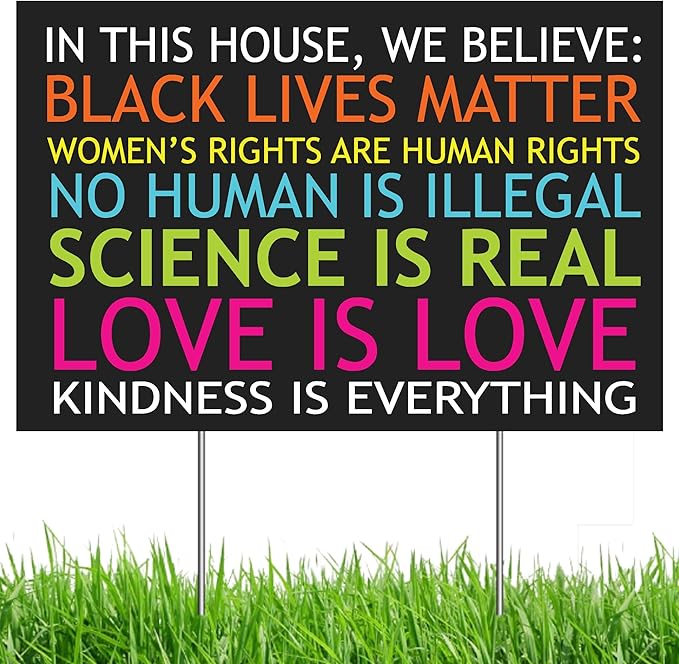
The yard signs that I had out on my corner lot included:
- “All Are Welcome Here” by my well-tended Little Free Library;
- A “Vote Yes” sign for the public-school referendum in St. Paul, where we homeowners already are overtaxed but feel obliged to support our underfunded schools; and
- A “Safer Summit” sign to promote a multi-million-dollar off-road bike trail on the city’s signature street, which many who live on Summit Avenue ardently oppose.
My neighbor, whom I don’t know well, had the courtesy to sign her pitch. She is among a handful of people who have pointed me toward the good work Isaiah does in our community, including its calls for a transition to clean energy and “dignified wages” for childcare professionals. Still, as an unchurched agnostic — one who believes in a higher power but doesn’t claim to know its shape or origin — I resist Isaiah’s religious orientation.
I emailed my neighbor a week or so later. No liberal can rightly argue with racial and economic equality, I told her, and Isaiah’s call for a “collective voice” is a smart strategy that conservatives have long employed — but I can’t move past the organization’s faith-based roots. I signed off by urging the woman to “keep up the good fight.”
As of this writing, she has not responded, and that’s unfortunate, because it shuts down any opportunity for mutual understanding.

Tribal thinking discourages dialogue
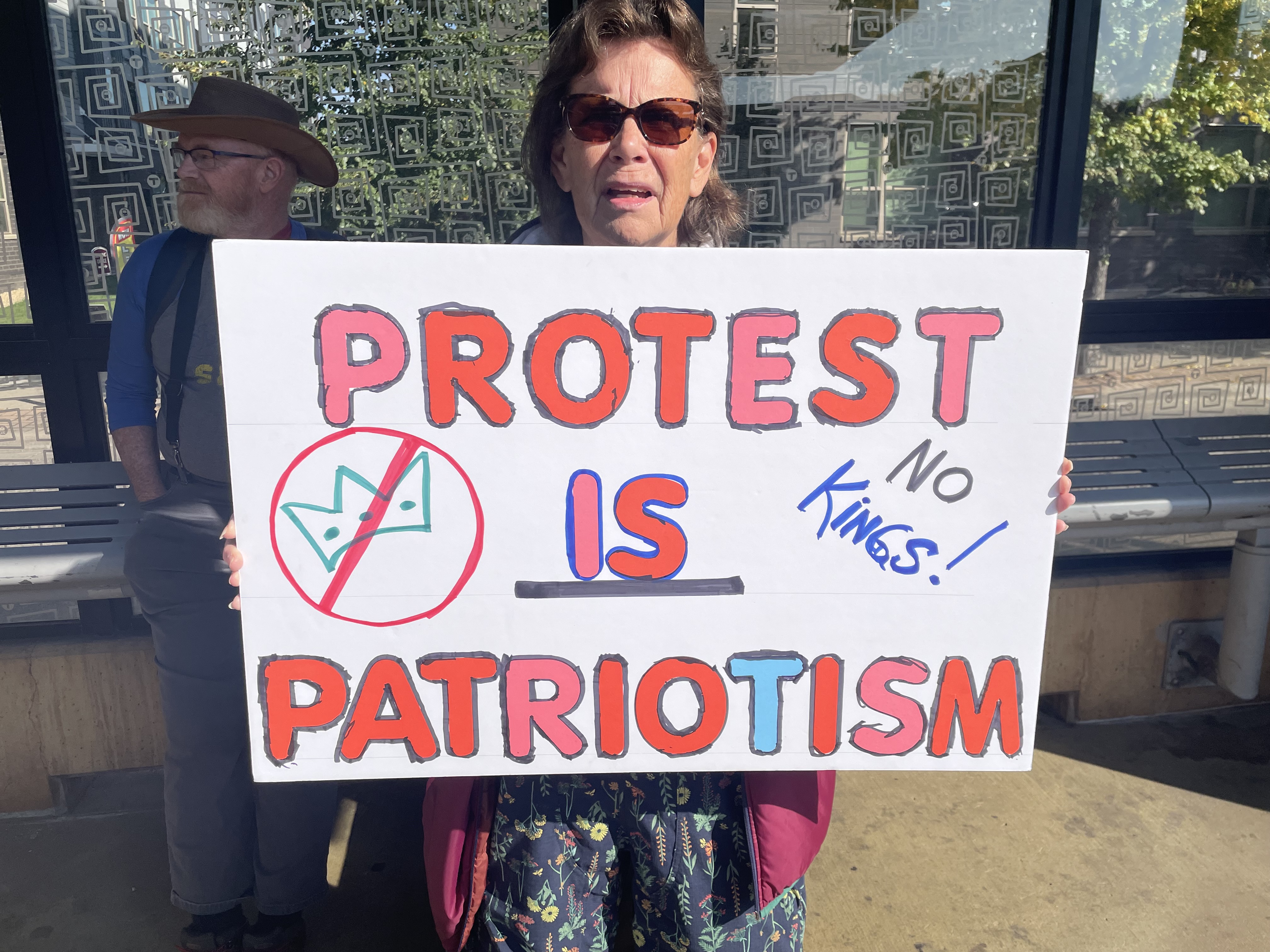
“Speak your mind, even if your voice shakes,” goes a famous quote by Gray Panthers founder Maggie Kuhn. I didn’t think about my personal safety when I took the light-rail train to Minneapolis on a sunny Saturday morning in October to join 100,000 people in a No Kings rally. Opposing the policies of Donald Trump felt that important.
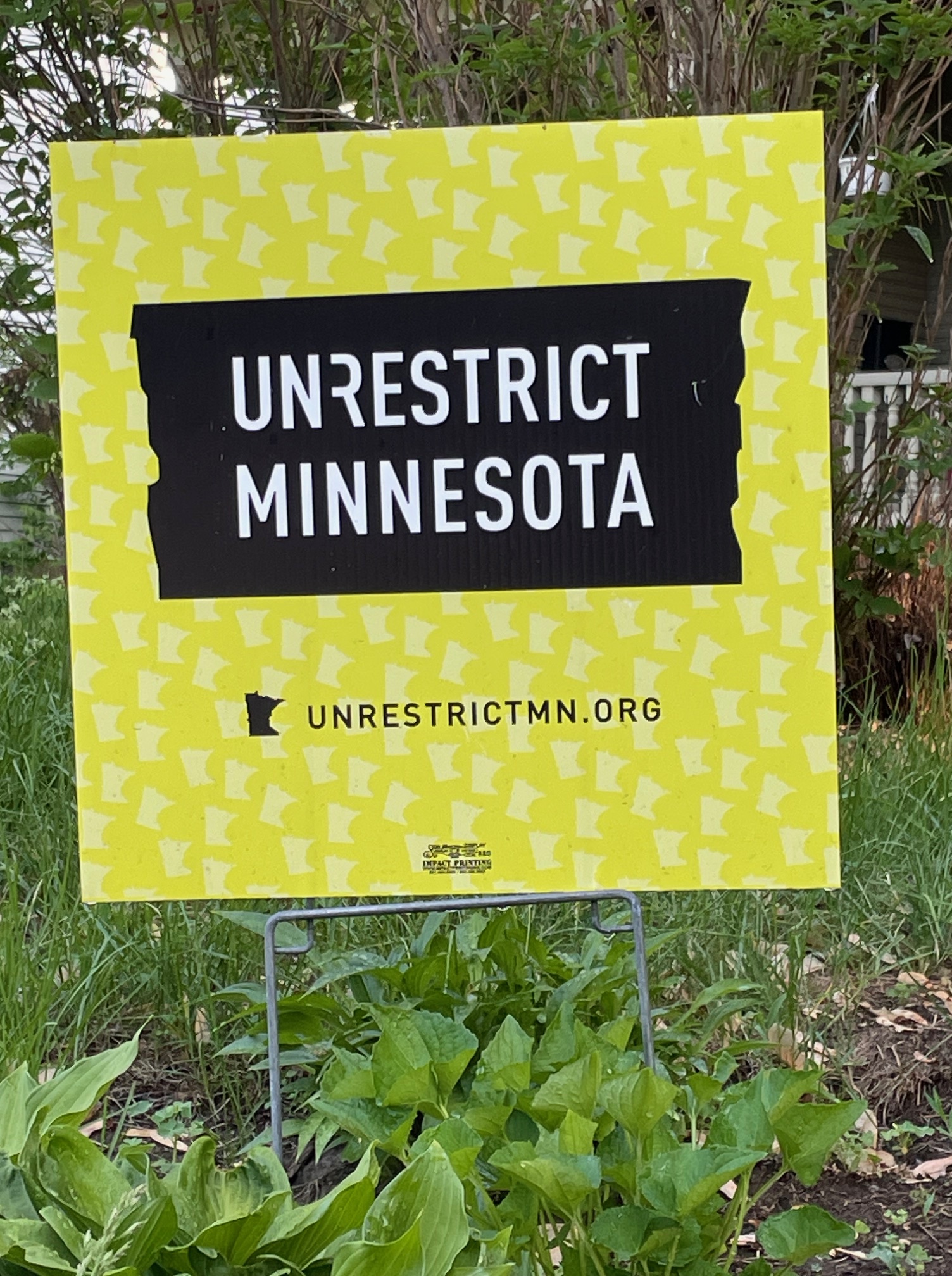
Nor did I hesitate recently to display a yard sign calling on the City of Saint Paul to reinstitute its common-sense restrictions on student housing in our neighborhood, even though people with whom I often politically align oppose it. The state’s largest private university is five blocks away. Having served as that institution’s director of neighborhood relations for eight years, I know firsthand that the Student Housing Overlay District — since undone by a pro-density City Council — saved this area from being overrun by noise, trash, property crimes and ill-kept rentals.
Age has granted me more freedom to speak my truth. I’m less fearful about what other people think, or at least I can dial back my anxiety more quickly. I no longer have employers to please or any fear about my causes blowing back on them (which volunteering with Planned Parenthood did when I worked for a Catholic institution).
But I still can’t shake the niggling insecurity that speaking out on hot topics may alienate some members of my tribe or get me pilloried on social media.
Part of that fear relates to the reality that my views are moderating with age, even as my party moves farther left. Thirty days into the government shutdown — and in full support of keeping healthcare costs within reach for all Americans — I think the Democrats, my party, have played their hand and lost. Congress needs to do the people’s business again or give up their own paychecks in solidarity with sidelined workers.
Must I blast that out on social media and then fervently check my feeds to see who “likes” me and who doesn’t? As courageous as I like to think I am, that isn’t how I want to expend my energy.
“Humans, like animals, are pack animals,” says a January 2025 article in Psychology Today called “Tribalism: How to Be Part of the Solution, Not the Problem.” People naturally want to align with a group, to feel less alone, which is why demonstrations like No Kings are momentarily empowering — even if no lasting change takes place.
The article challenges us, however, not to let the emotional exhilaration of tribalist belonging overtake research and rational thought. Among the “difficult questions” that author John G. Cottone, Ph.D., asks readers to explore are these:
- “Do I know how to recognize the propaganda of my own tribe, and resist it when I see it?”
- “Do I pursue multiple perspectives on important issues with intellectual honesty — or do I only solicit my own tribe’s political perspective?”
- “Do I have compassion for everyone on the road of truth, even those who are walking today where I walked yesterday?”

As I prepare to vote in my city’s off-year election — casting a ballot for mayor and the school funding initiative, as well as monitoring the contentious Minneapolis mayoral race across the river — I won’t be in full alignment with the bike-riding, urbanist activists, my tribal pack, who are posting lengthy arguments on Bluesky and Facebook about how they plan to vote and why.
Disagreeing with people with whom you normally align is uncomfortable, uneasy. But in this case, speaking out will mean casting a secret ballot and having the confidence to recognize where and how to use my voice.






 The Middle Stages: Between Midlife and Old Age