
I’ve belonged to some manner of fitness club since my parents had a family membership at the YMCA, primarily to ensure we kids learned how to swim in a small town with public pools and nearby lakes. Back then, we called these facilities “gyms,” not health clubs or workout studios; and men seemed to use them more often than women.
At least that was true in my family: Dad exercised at the Y, playing racquetball, jogging on the circular track above the basketball court, doing calisthenics during an era when Jack LaLanne was on TV. In lieu of exercising, Mom would starve herself occasionally on the two-week Mayo Clinic Egg Diet and seemed to perpetually be battling her weight.
My father’s example looked more fun to me (plus, I like to eat), but I credit both of my parents with my instinctive need to move — as much for my mental health as physical strength and stamina. Dad set an example of daily exercise, whether golfing and running or taking us skiing and sledding at Ski Haven (since renamed Mount Kato), which still used towropes when I was a girl. Mom put me in dance classes from the age of 5, pushed us to “play outside” and outfitted all of us kids with age-appropriate bikes, which was how parents expected children and teens to get around throughout the summer.
Almost a quarter of adults engage in no physical activity outside of their jobs, and sedentary lifestyles are an important reason that two-thirds of U.S. adults are overweight or obese.
U.S. Department of Transportation
As an adult, I morphed my physical activities from fun and games into practical purposes: walking, bike riding and using mass transit to get around before I bought my first car at age 25. I still tell my peers about how daily dog walks and active transportation — replacing car trips with human-powered mobility, such as walking or biking — are relatively effortless, enjoyable ways to stay in shape.
Those habits serve me well in my late 60s, at an age when thinning bones and prediabetes are a real risk, even for those of us who pay attention to our health. Like many women of my era, however, I’ve seen exercise primarily as a way to stay thin, a priority I internalized after gaining an unwanted 30 pounds during an unhappy period in my teens.
It’s not too late to get stronger, but it definitely is time. No longer can I deny the physical weakening that comes with age.
Our bodies, ourselves
Of all the celebrities who flew in for the No Kings rally at the Minnesota State Capitol on March 27 — Bernie Sanders, Bruce Springsteen, Joan Baez — I was most excited to see Jane Fonda, still looking fit and energetic at 88. “She taught my generation of women to exercise rather than starve ourselves,” I told a friend. Fonda’s workout videos remain on my basement bookshelves to this day.
The fitness studio craze began in earnest in 1983, the year after Jane Fonda’s Workout video sparked a revolution and supported her political causes. I started attending classes at Leslie’s Shape Shop in Minneapolis with a friend and colleague. We’d squeeze into our tights and Spandex leotards, move and sweat to invigorating music, and afterward bond over office gossip, white wine and fatty appetizers. Elizabeth and I remain great friends to this day.
When I turned 40, with two young boys, a demanding career and a long commute, I decided to juggle more balls and become a step-aerobics instructor. Blessed with a natural sense of rhythm, I stole routines from classes at the Life Time Fitness in a former men’s athletic club across the street from my office in downtown St. Paul.
“Physical fitness is a three-legged stool: strength, aerobic capacity and flexibility.”
Jane Fonda’s Workout Book
Word spread, and middle-aged women began to fill my 8 a.m. Saturday classes back home at Olympus Athletic Club in Northfield. Drawn to the variety, the camaraderie and the motivating music, they also seemed to appreciate my mantra: Exercise is fun! The key is finding an activity that you enjoy.
That’s when fitness became not just a personal pleasure but a cause. A way to help myself and other women enter middle age with more agility and confidence and less shame. Not for us the deprivation diets and speedy pills of our mothers’ generation. Exercise would help us own and accept our bodies and claim our place in male-dominated spaces.
But however much I preached to my students about the three-legged stool of fitness (muscle strength, muscle length and sustaining a healthy heart rate), my busy brain and obsession with thinness have always led me to prioritize aerobic exercise. A recent unexplained weight loss, which my doctor and I concluded is a loss of muscle mass, has pushed me toward lifting weights in earnest.
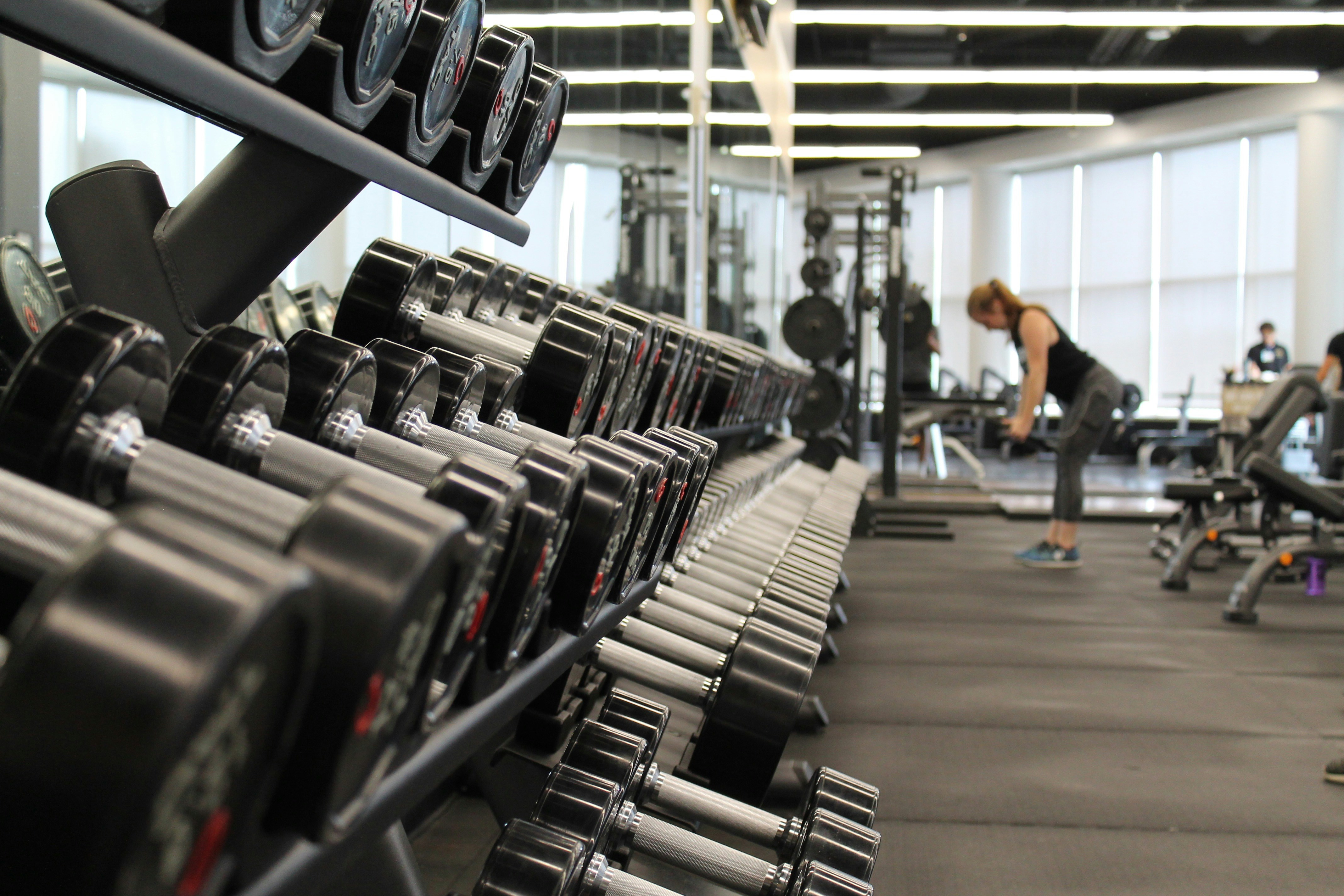
Gaining weights
Being thin is not enough anymore. At 68, I want to be strong enough to pick up my grandson, lift myself off the floor with no railing nearby, carry groceries, help move furniture around the house. That has meant setting aside my ego (and fear) and investing both time and money in getting stronger, which includes:
- Paying the hefty fee for three sessions with a trainer, who has helped me focus on gluteal and hip strength and on rehabilitating an injured shoulder.
- Learning how to use bands, kettlebells, TRX straps and weight machines for muscle work as well as conventional dumbbells.
- Listening to my sons — both serious weightlifters — when they instruct me to eat more protein, lift heavier weights with fewer repetitions and strengthen my bones with beginner plyometrics, a series of jumping exercises that has me jump-roping for the first time in decades.
The average 30-year-old can expect to lose about 25% or more of her muscle mass and strength by age 70, and another 25% by age 90.
Harvard Health Online
Getting stronger has also meant finding a workout studio that helps seniors feel comfortable and welcome. Not the community center that had a great bone-strengthening yoga class, but where my strength trainer didn’t create a program specific to my needs. Nor the CorePower studio where I reveled in heated yoga classes for nine years, but which clearly was tailored to a younger generation.
Instead, using the Silver Sneakers benefits that come with my Medicare Advantage Plan, I’ve rejoined Life Time Fitness in a neighborhood with a growing amount of senior housing. The Aurora Program, launched in January 2022, offers specialized classes, opportunities for seniors to socialize and dedicated hours for us to work out.
At first, I balked at the limited hours — weekdays, 9:30 a.m. to 3 p.m.; nothing on Saturday before 2 p.m. — and wondered whether Life Time, a for-profit company that markets itself to a younger, athletically competitive population, wanted to make money off aging exercisers but keep us out of the way.
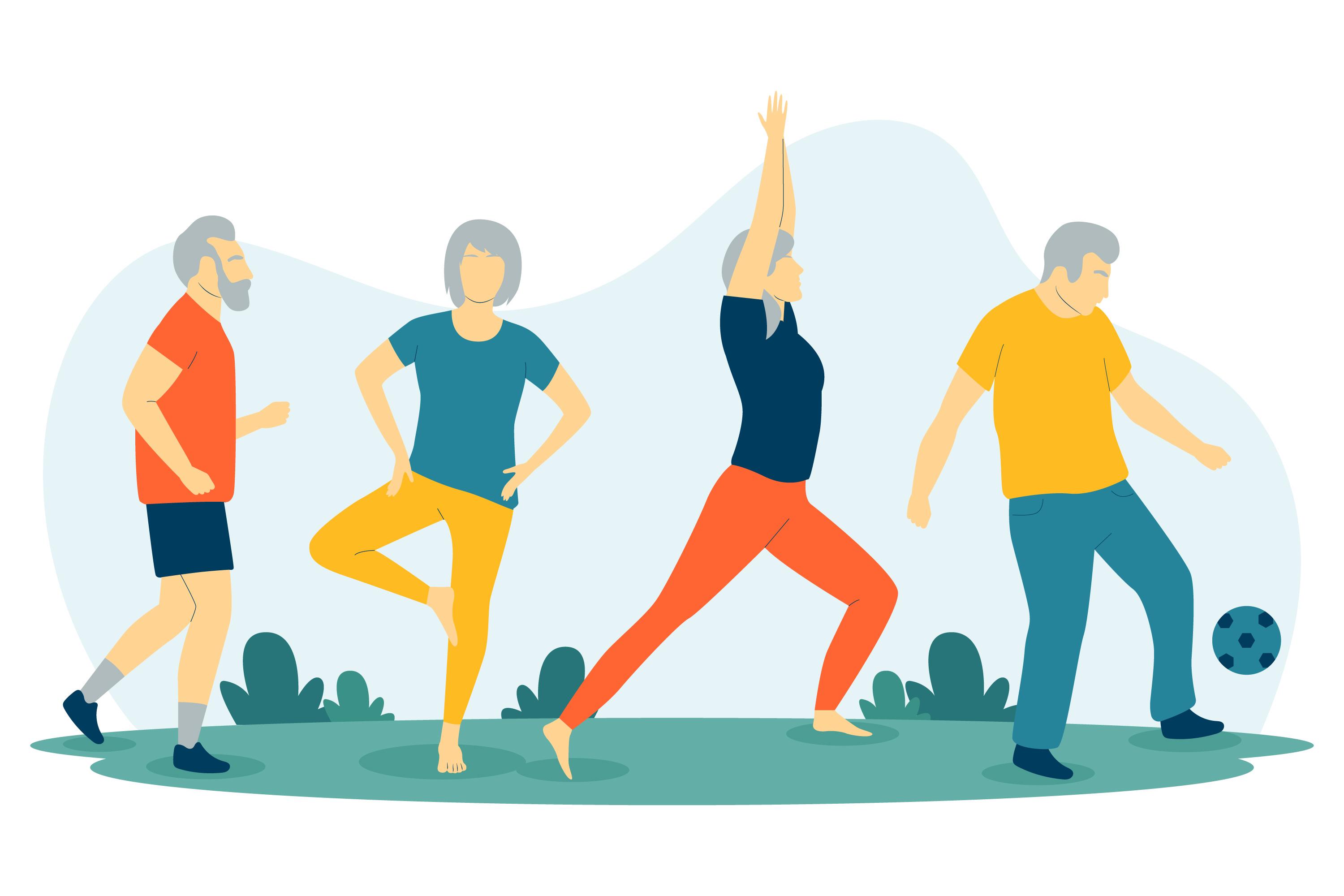
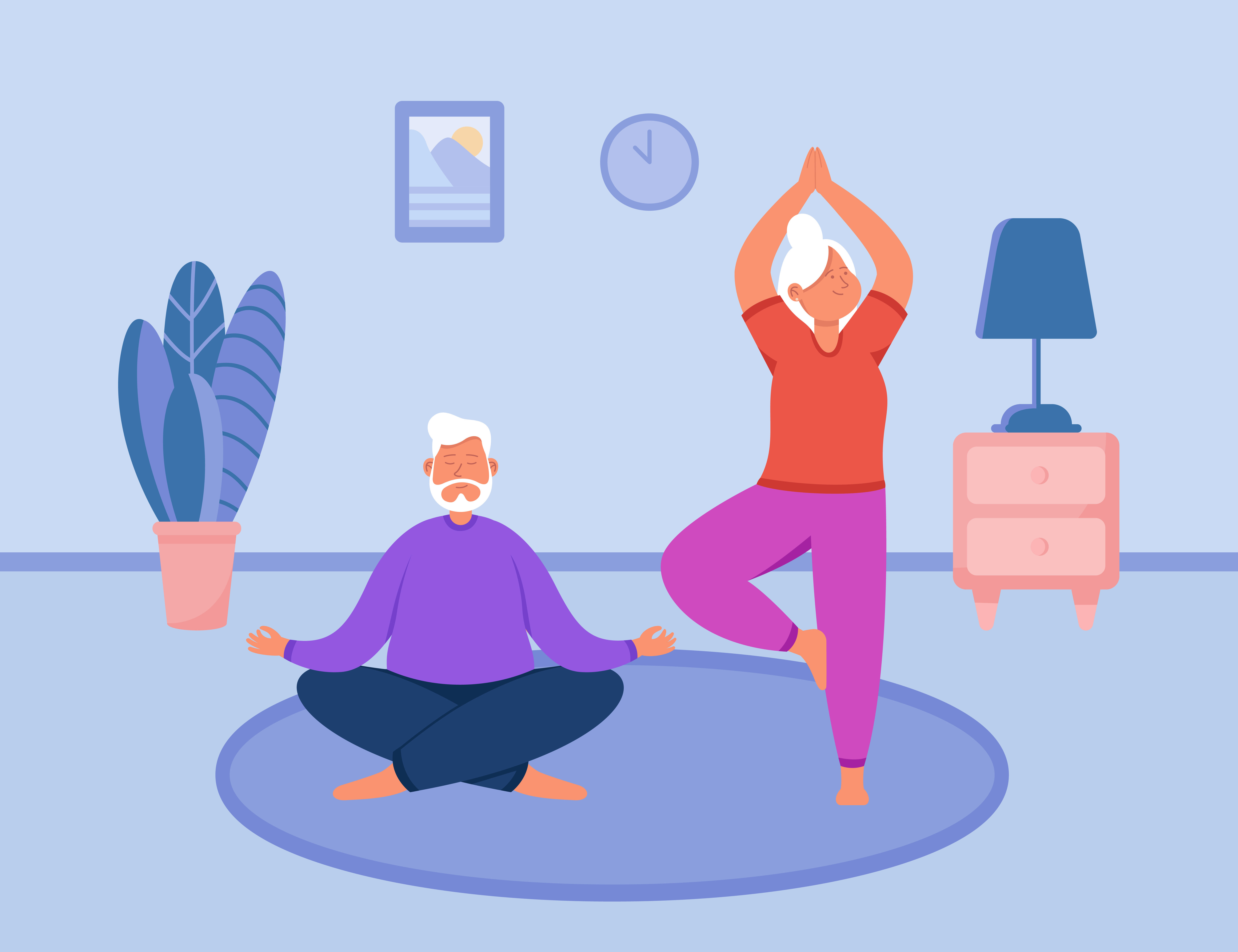
Now I appreciate the chance to work on my weights program surrounded by people my age. Invariably we older women exchange smiles and glances, acknowledging one another and offering an unspoken encouragement.
I recently saw a white-haired woman walking with a book bag to the city library near my house. Slightly stooped, she moved with a shuffling gait, seeming to favor one foot. “That’s me in 15 years,” I said to my husband. Then I made the conscious decision to admire her determination. Instead of pitying the woman or — worse — turning away from the preview of my own inevitable decline, I kept watching.
“Rock on,” I whispered. “At least you’re out there.” Facing an uncertain future, and moving toward it.
 The Middle Stages: Between Midlife and Old Age